Participation and empowerment - our main goals and working principles
YDTI is an Indonesian non-profit organisation working in the field of Disability and Leprosy.
People affected by leprosy are actively and meaningfully involved in planning and implementing our activities, ensuring that our work is grounded in their real needs, experiences, and ideas.
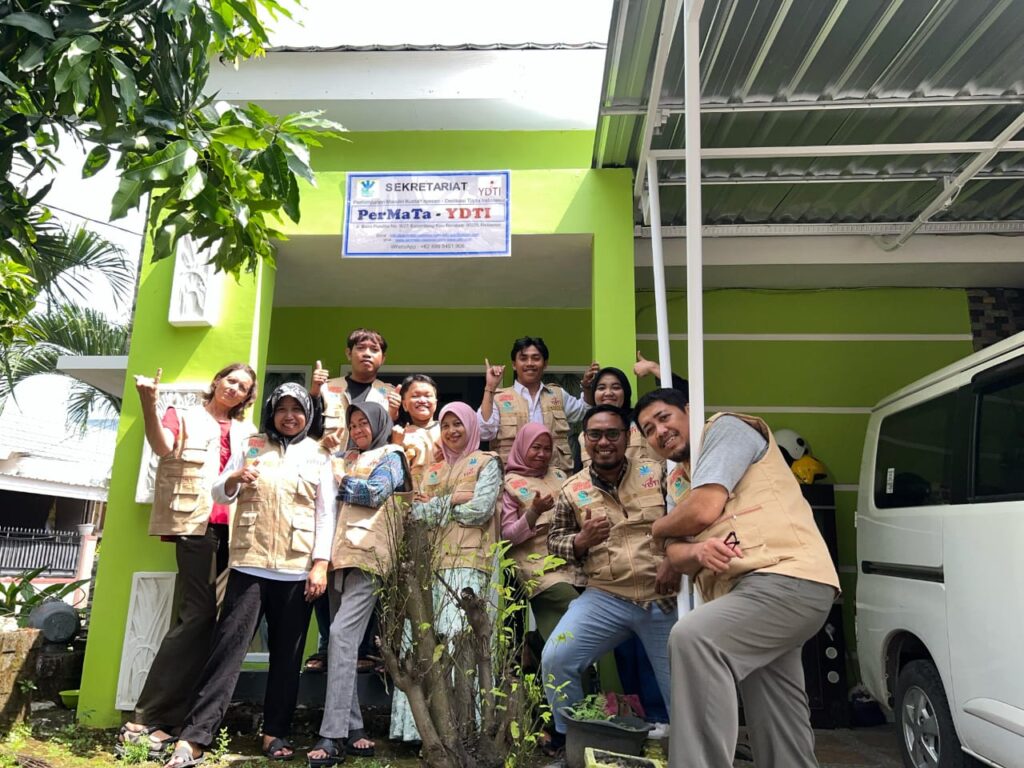
Our catchment area is the whole of Indonesia, with a focus on South Sulawesi. YDTI is headquartered in Benteng Somba Opu, Gowa, South Sulawesi. Our joint office with PerMaTa South Sulawesi is located in Makassar.
Our Team
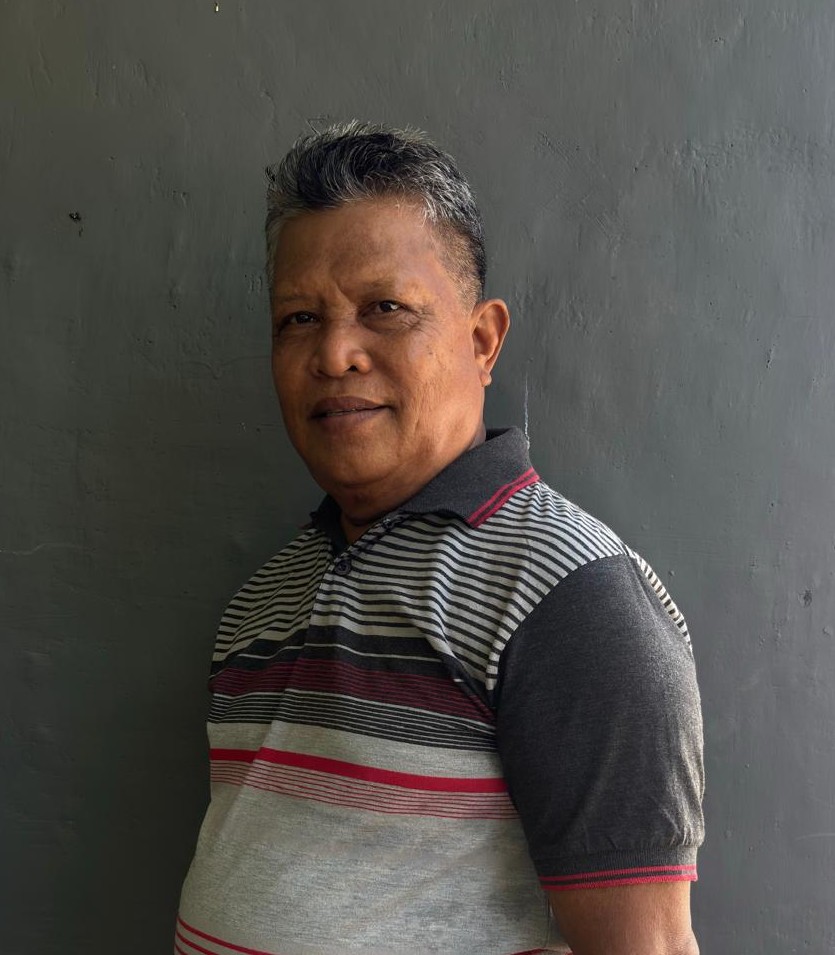
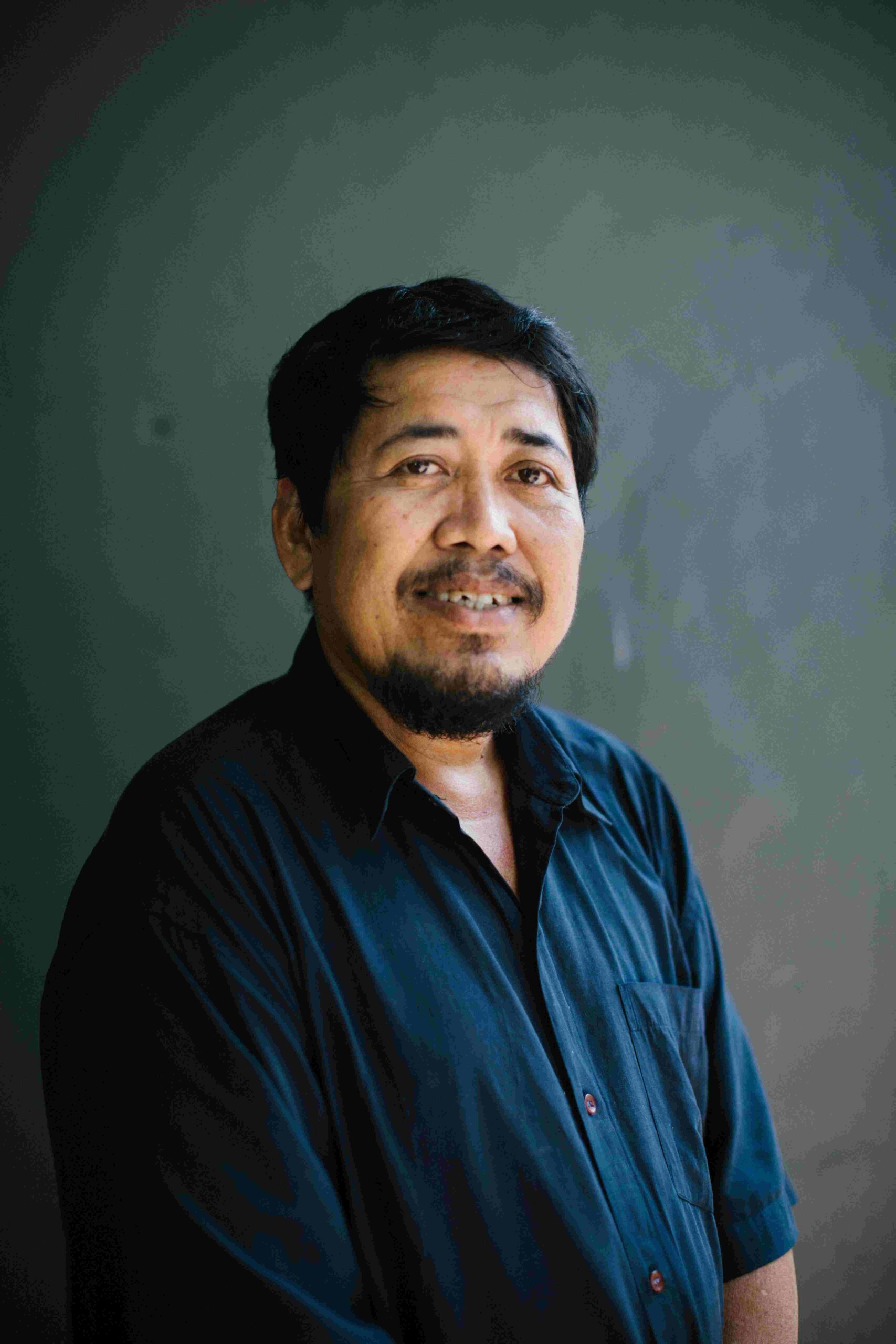
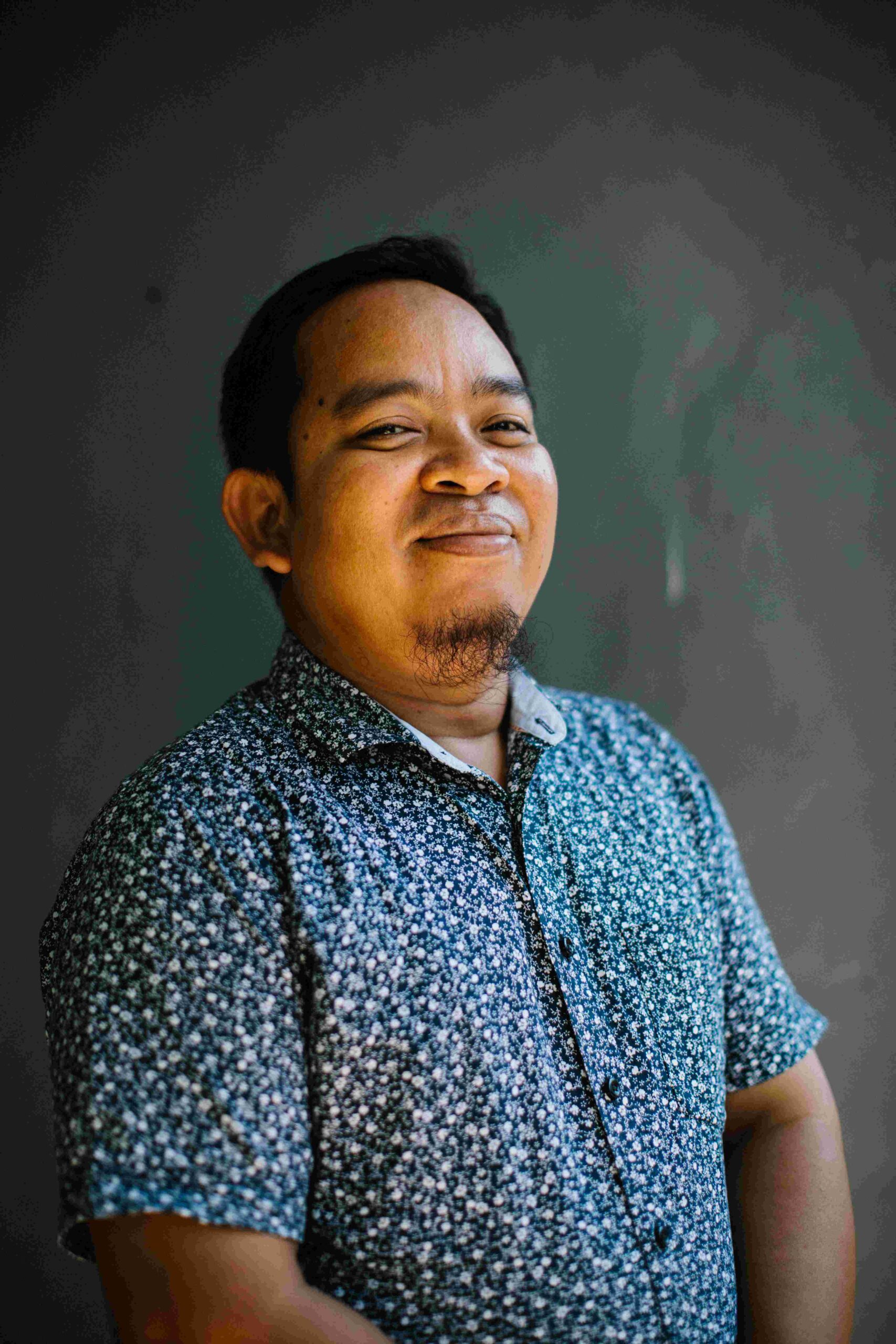
Drawing from his own experience as person affected by leprosy, he guides our vision towards a world without suffering from leprosy. Steady, calm, and practical, he remains a trusted pillar of support for PerMaTa South Sulawesi and YDTI.
Chair of the Advisory Board
Alimuddin Allen
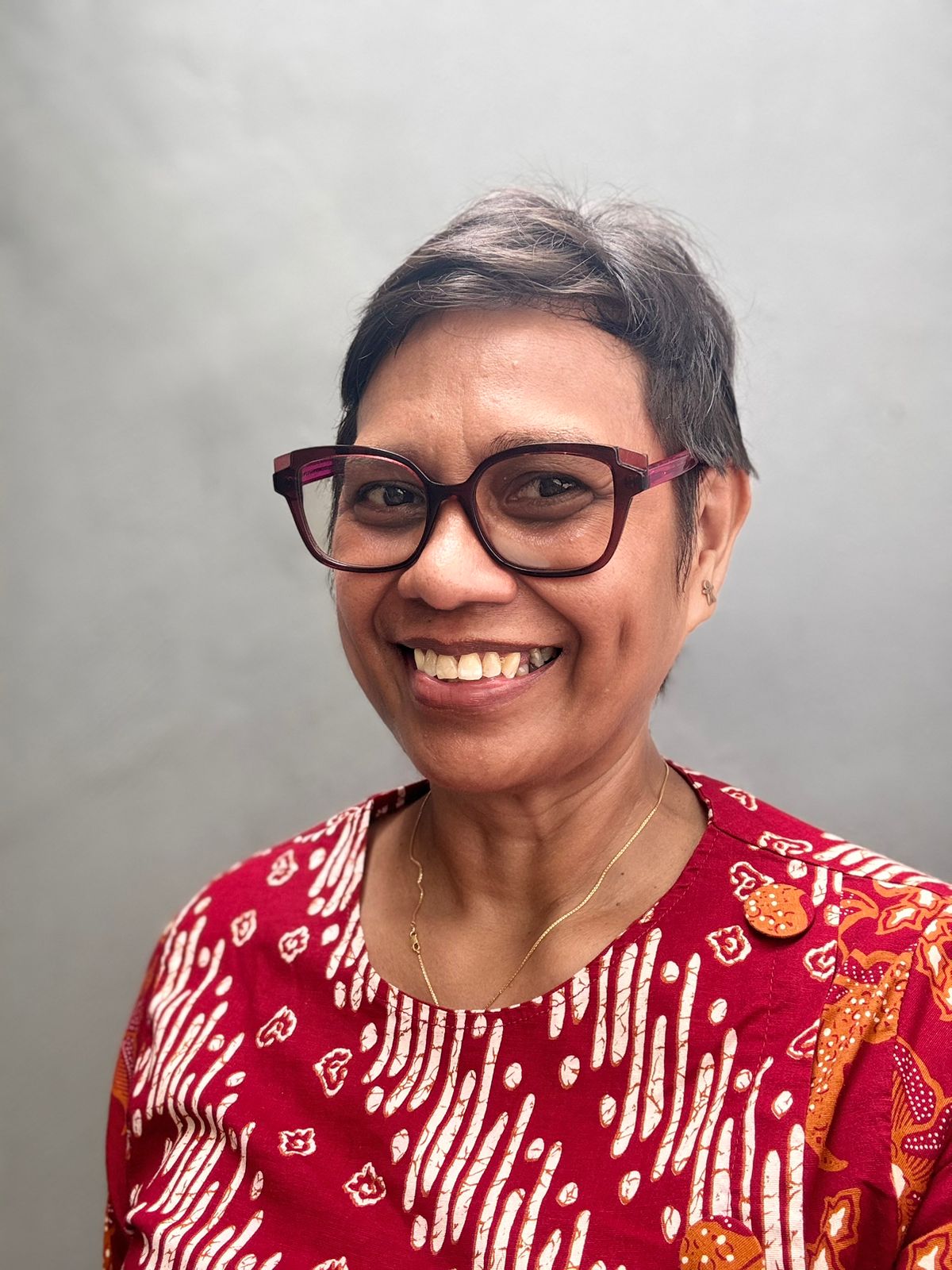
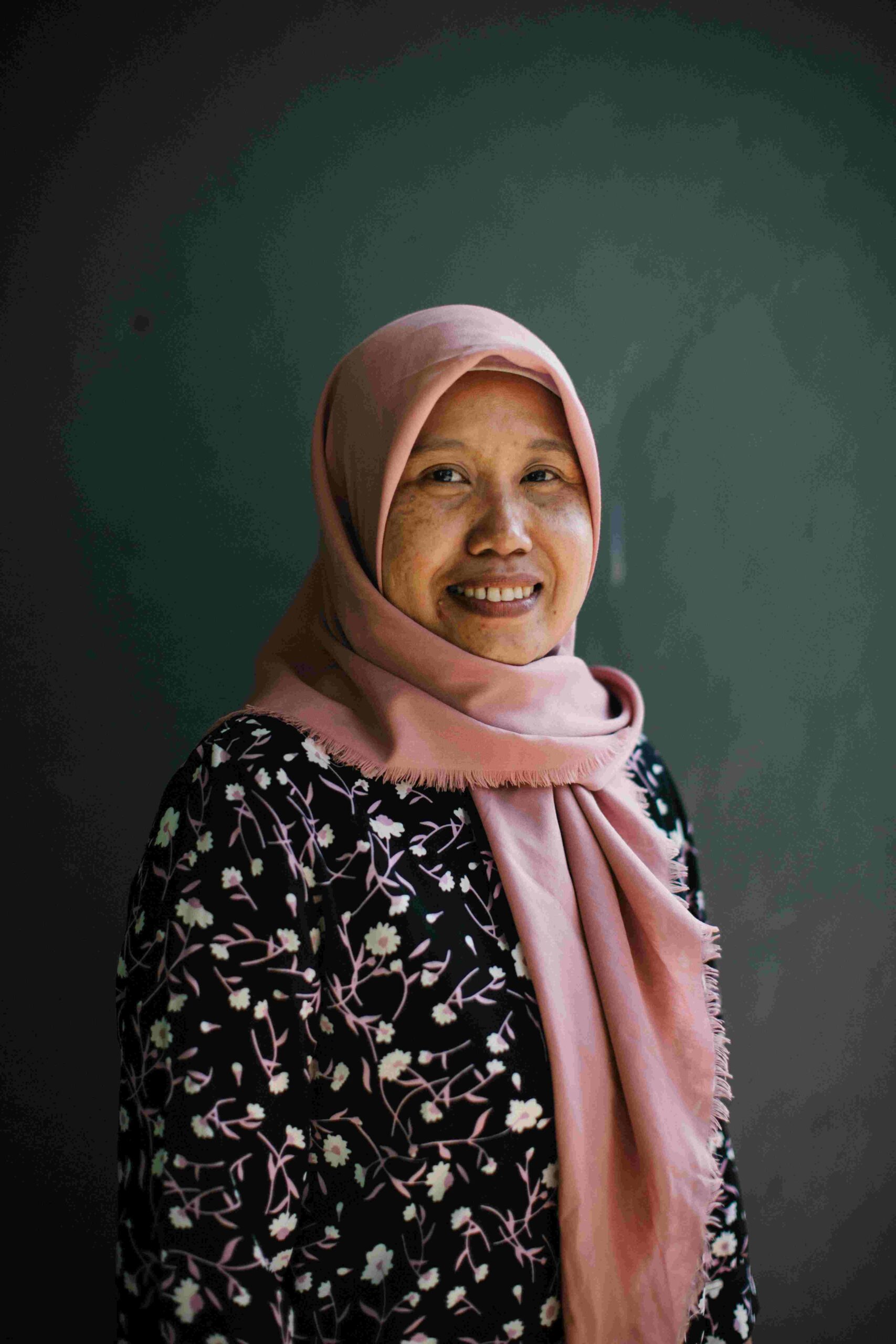
A strong and inspiring activist for the rights of persons with disabilities, she is passionate about accessible travel and dedicated to supporting people affected by leprosy in her very personal way.
Member of the Advisory Board
MaureenMaspaitella
Currently Director of Syekh Yusuf Gowa Regional General Hospital, he brings a long career of dedicated work in leprosy, having previously led a health center, directed provincial leprosy control, and headed the Disease Control at Gowa Health Office.
Chair of the Supervisory Board
Dr Gaffar T Karim
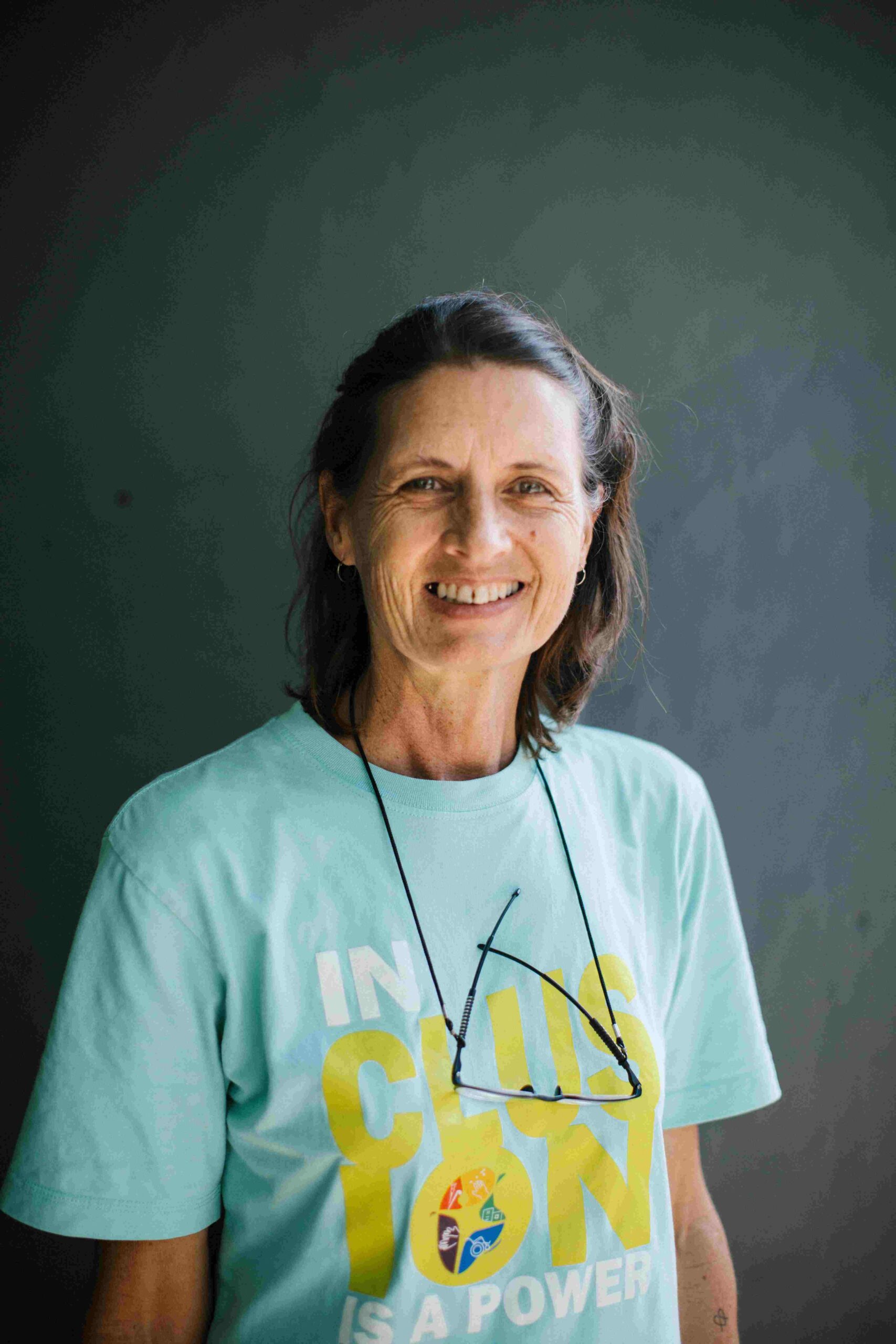
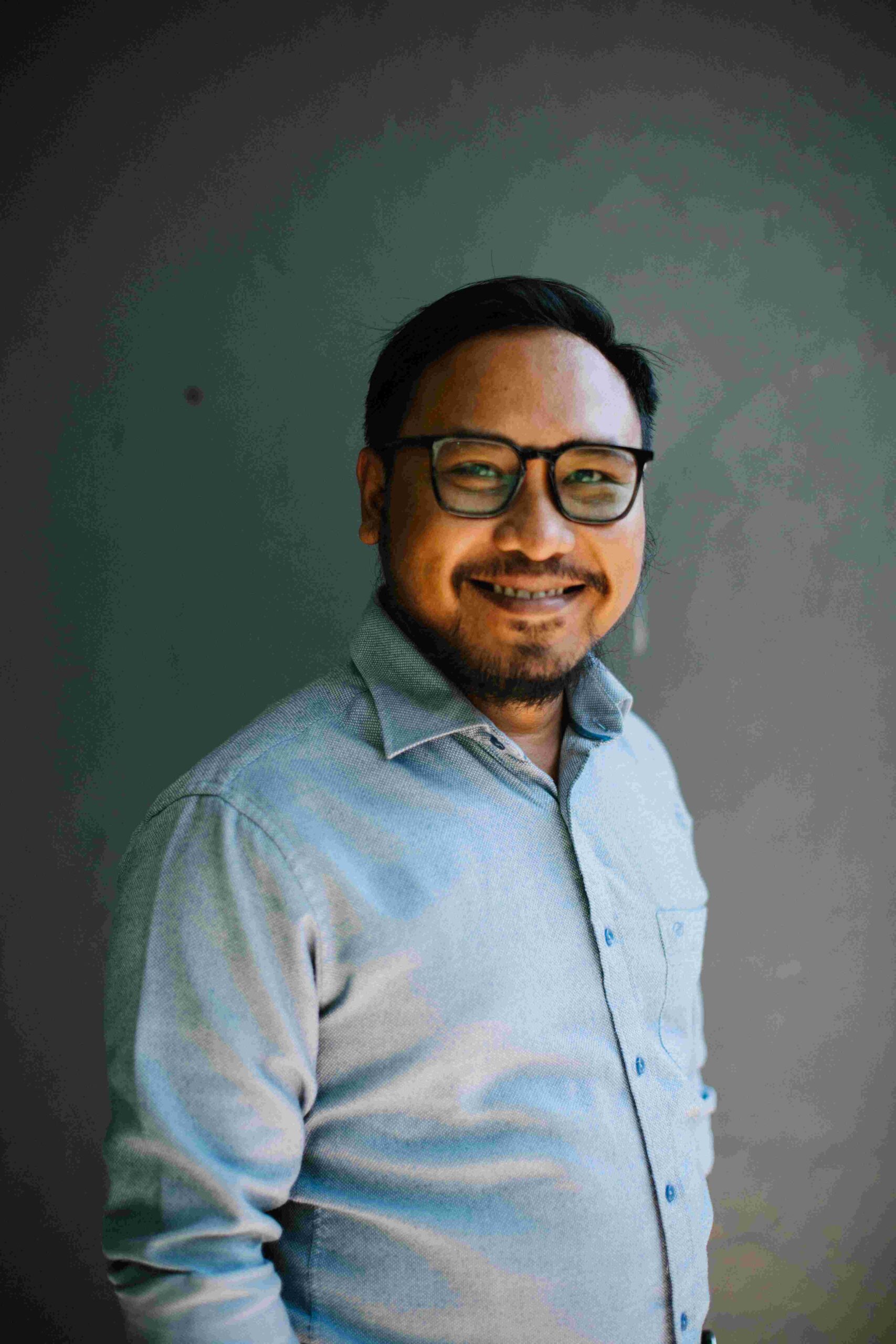
Since 1998 in Indonesia, she has a strong background in leprosy and community-based rehabilitation, and is deeply committed to promoting fairness and equal opportunities for all.
Chair of the Executive Board
Kerstin Beise
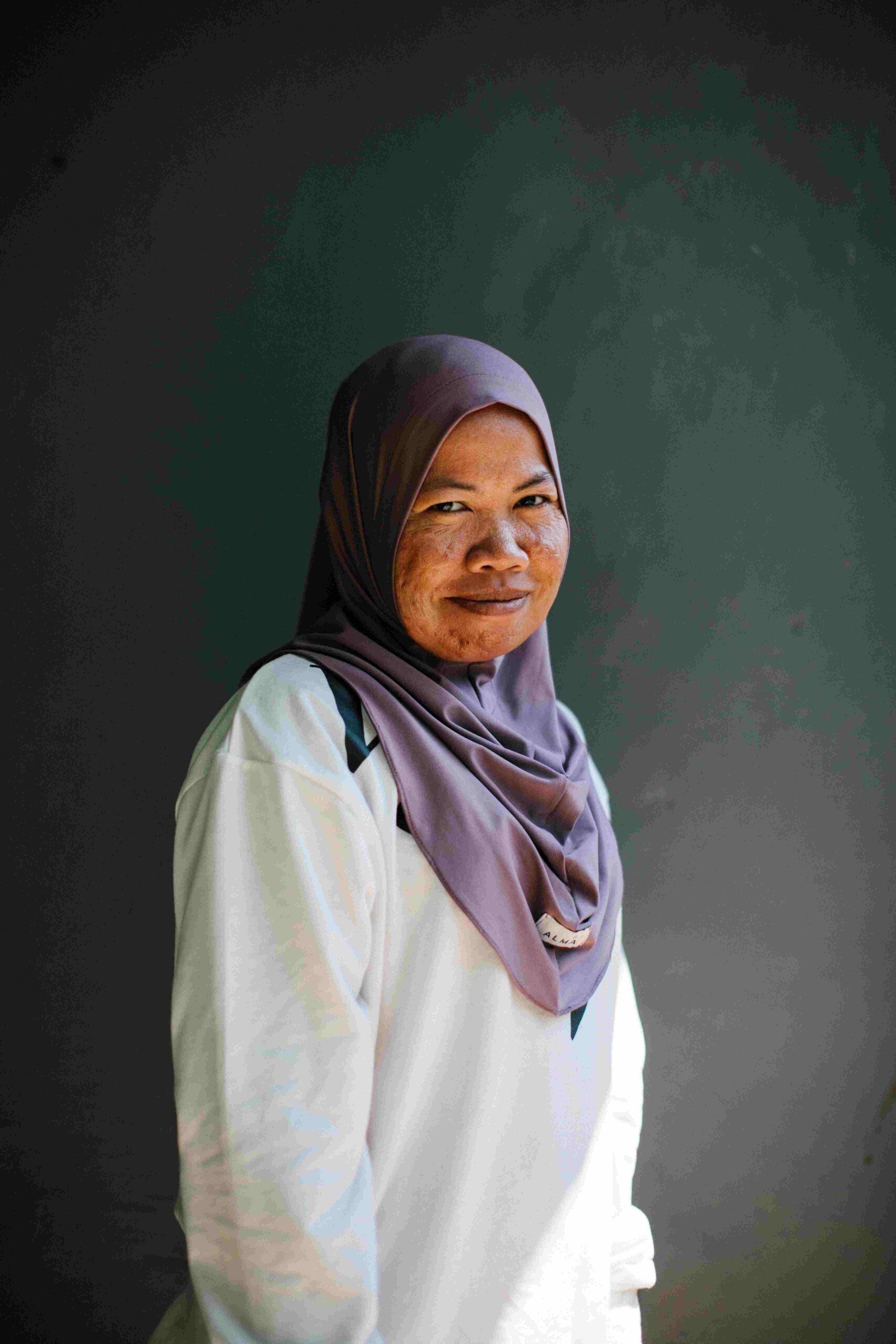
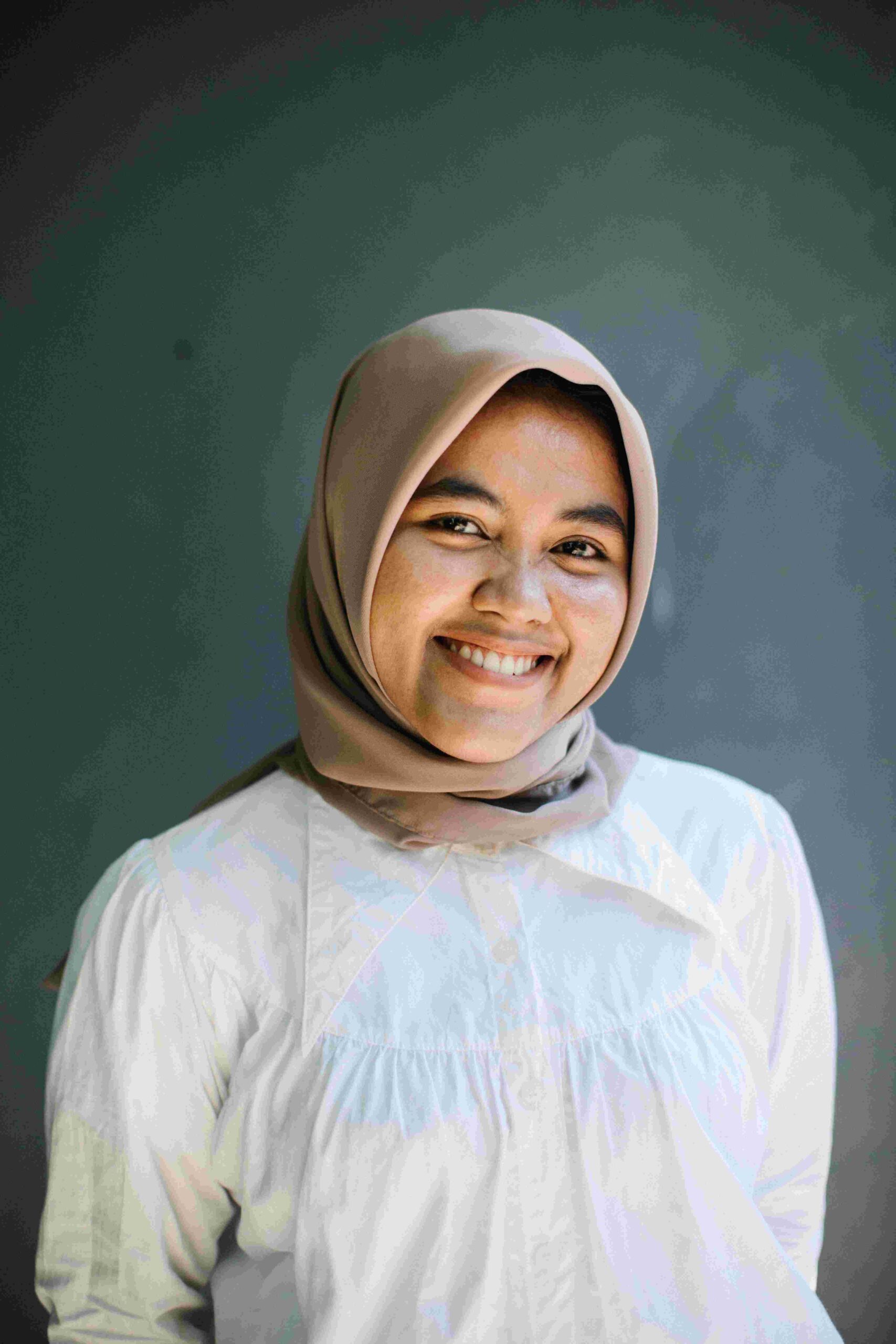
Treasurer of PerMaTa South Sulawesi and Secretary on the board of YDTI, she is a positive spirit that lifts the whole team. Her blend of precision and warmth makes her a vital part of our daily work.
Secretary
Ermawati
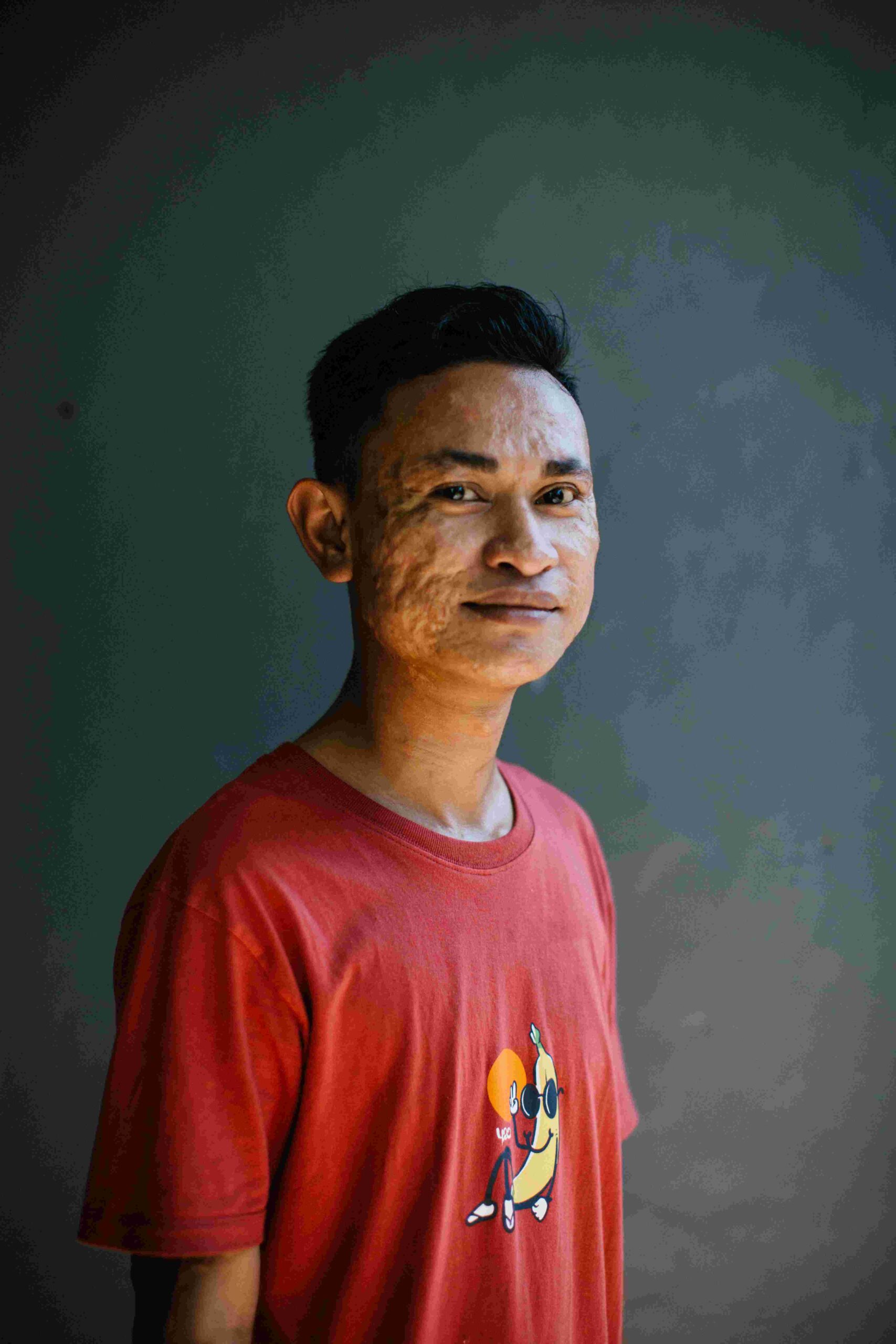
The Head of PerMaTa Gowa and an emerging global leader. With strong dedication and deep commitment to his peers, he continues to grow as a powerful advocate and changemaker for people affected by leprosy.
Project Coordinator, M&E
Muh Arfah
Treasurer of PerMaTa Indonesia, with solid experience not only in project finances but also in offering wisdom and a calm presence, she is an important pillar for our team.
Project Finance
Salmawati
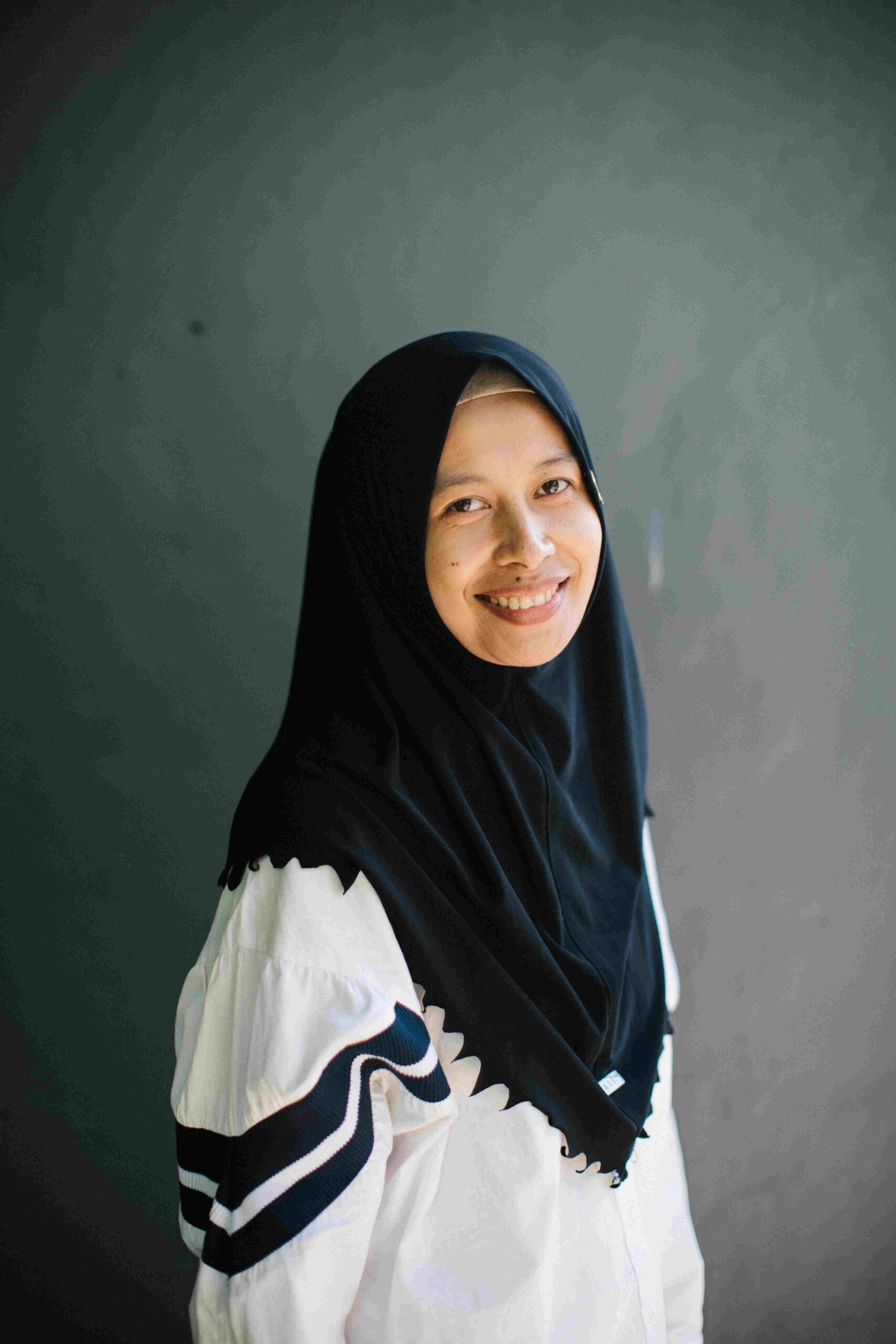
A trained nurse, she serves as Vice Leader of PerMaTa Indonesia and Treasurer at YDTI and brings outstanding dedication and sharp attention to detail, ensuring strong leadership and reliable financial management in both roles.
Treasurer
Yuliati
Leading PerMaTa South Sulawesi and serving as project coordinator at YDTI, she is known for tireless energy and dedication to empowering young people affected by leprosy, bringing heart and determination to her work.
Project Coordinator
Rahmawati
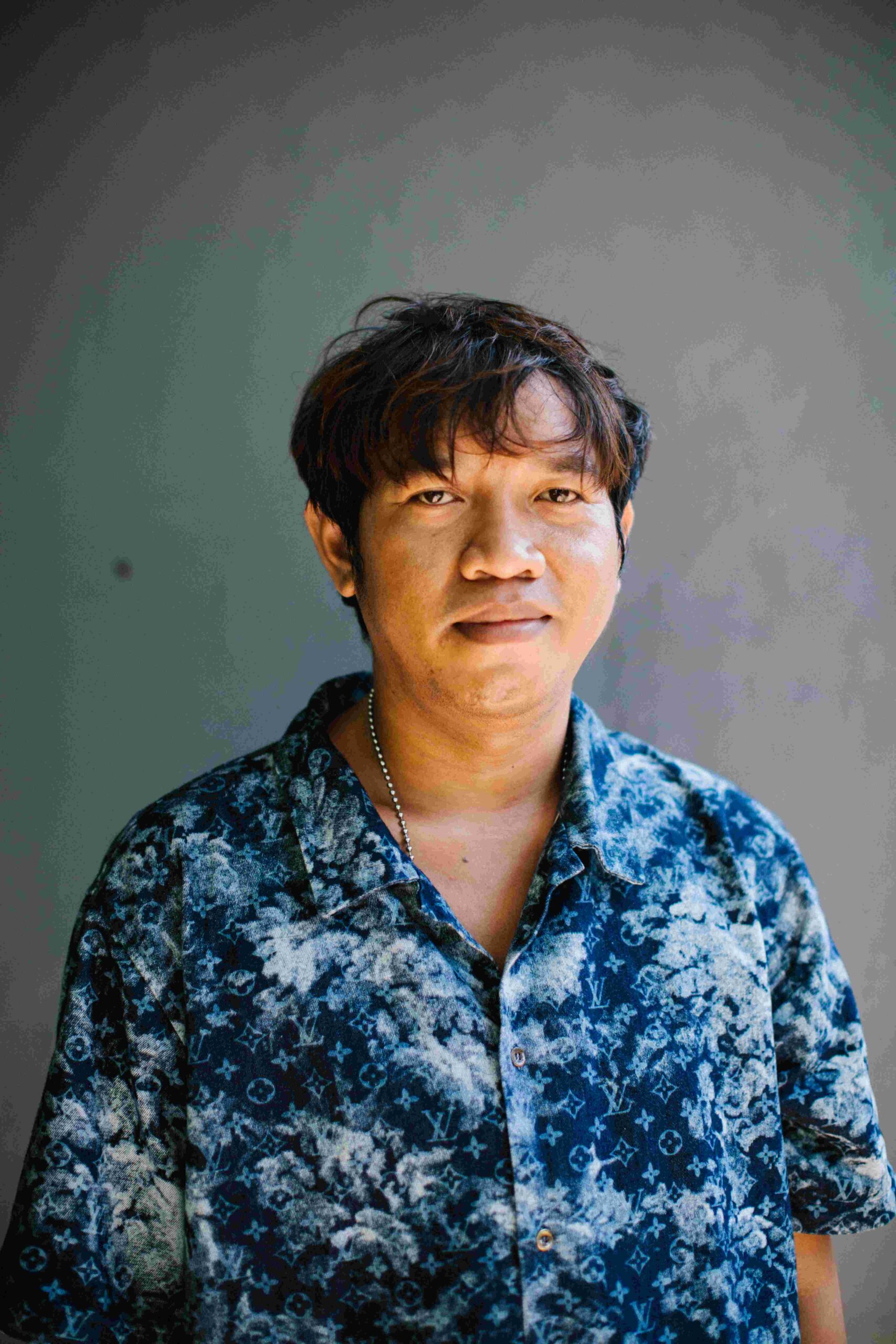
With a strong passion for graphic design and communication, he leads our ICE division while supporting both the office and field teams.
ICE
Ryan Rifaldi (Iyan)
A creative thinker and a deeply experienced advocate for people affected by leprosy. He leads PerMaTa Indonesia and is our chief designer for programs, projects and visions.
Program Manager
Al Kadri
Treasurer of PerMaTa Gowa and office manager at YDTI, he is known for his strong work ethic and deep empathy, playing a key role in supporting his peers and keeping operations running smoothly.
Office Manager
Rony Saputra
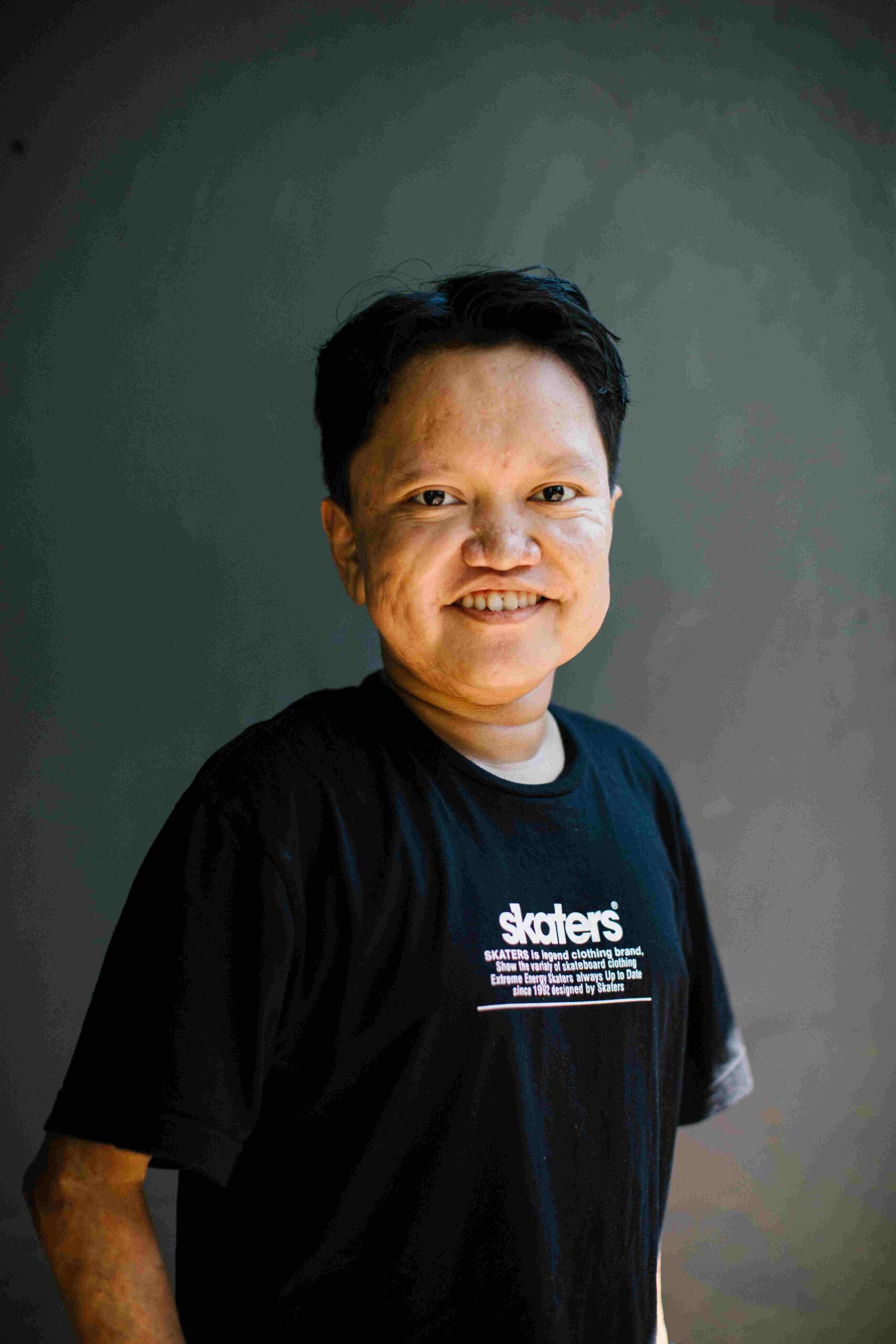
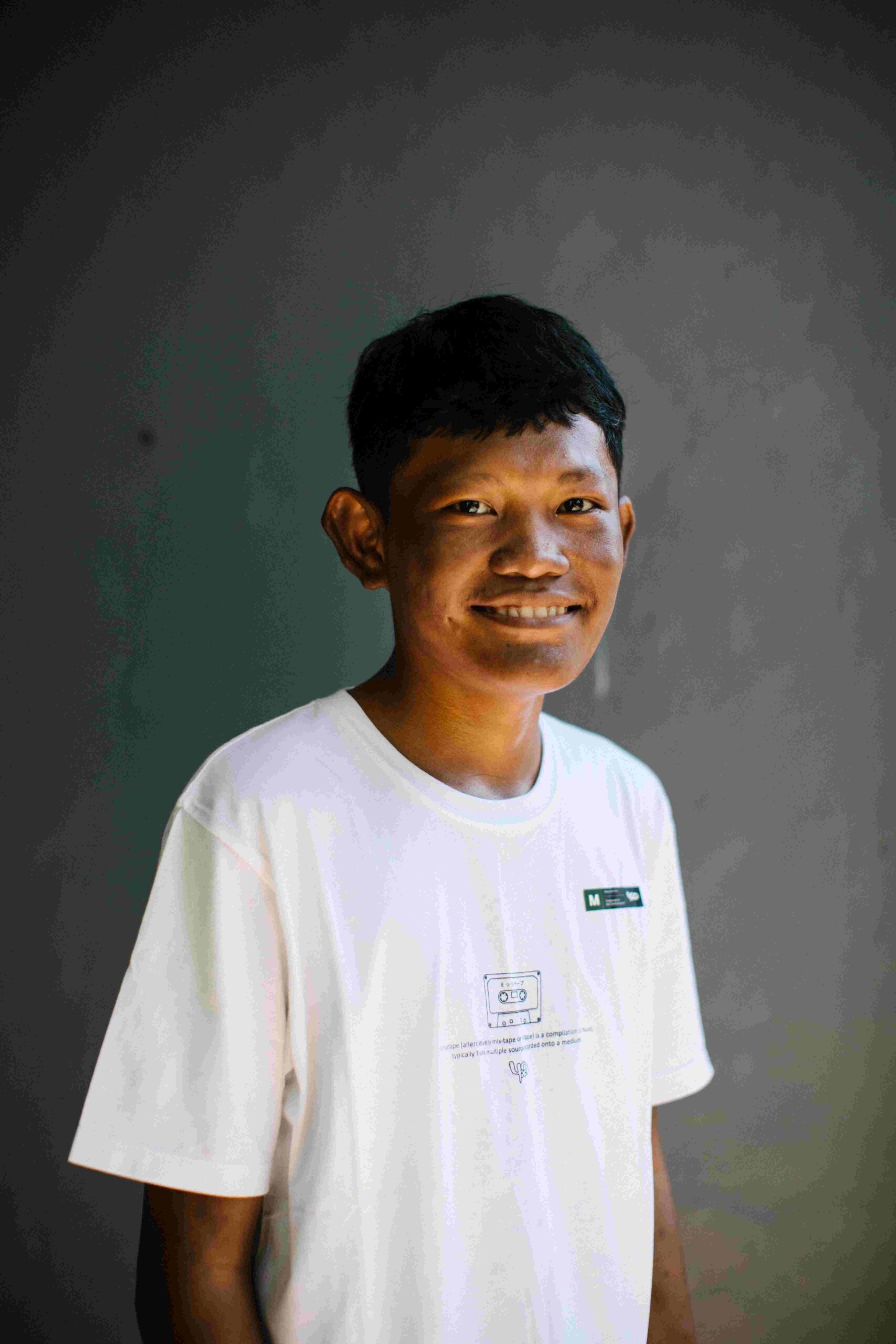
Tough years with the disease and its consequences behind him, he is learning and developing fast into a new valuable field staff, always with a smile on his face!
Junior Filed Staff
Irfan
Growing up in Jongaya leprosy settlement, he is according to many accounts the best driver in the world, as well as an excellent moderator and keen to help everyone everywhere.
Driver and Moderator
Abdul Rahman
Our valuable finance manager and accountant, known for his dedication, precision, and fresh approaches to managing our financial systems, he is also a great help in any other area!
Finance Manager
Rudi Hamid
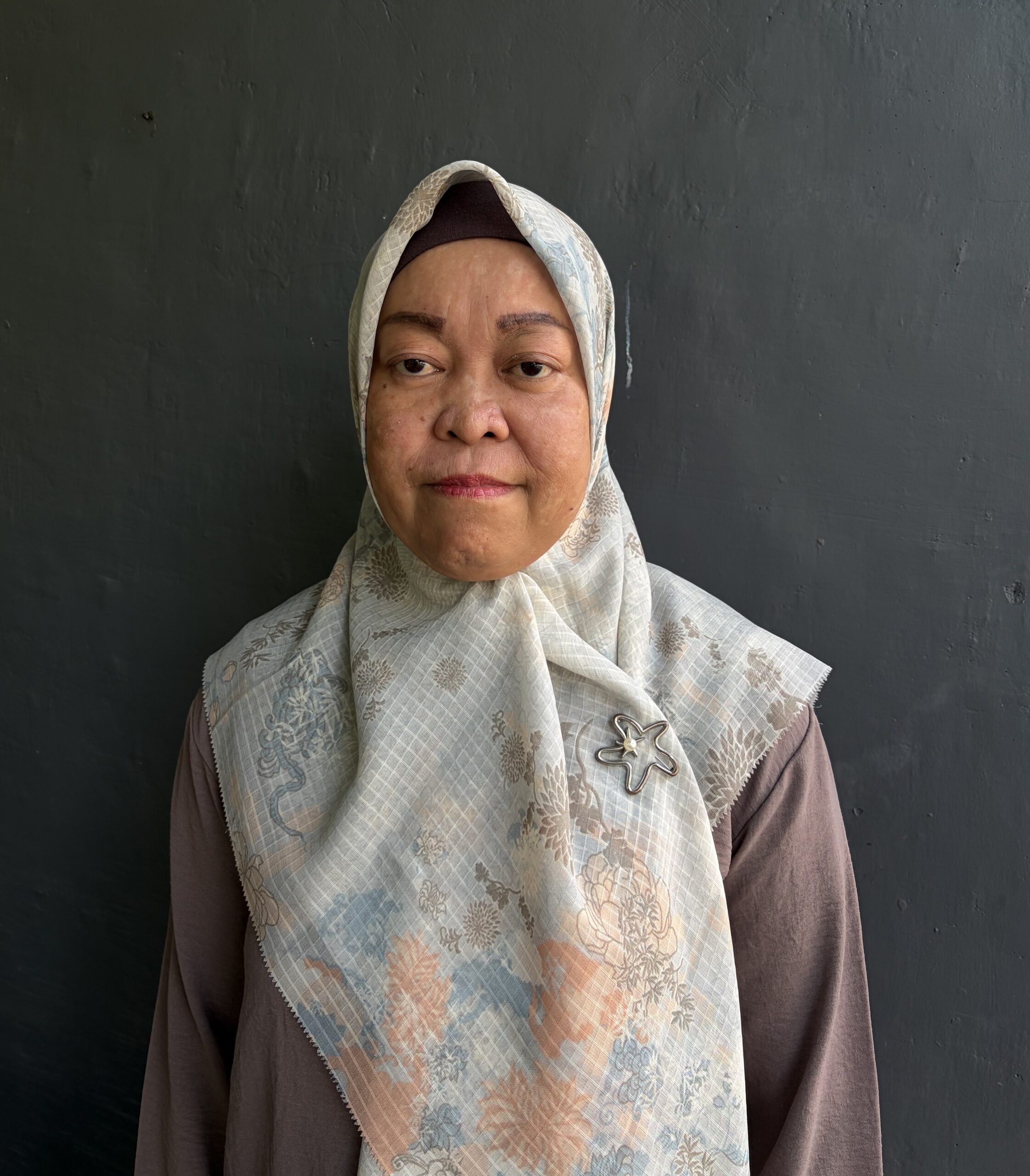
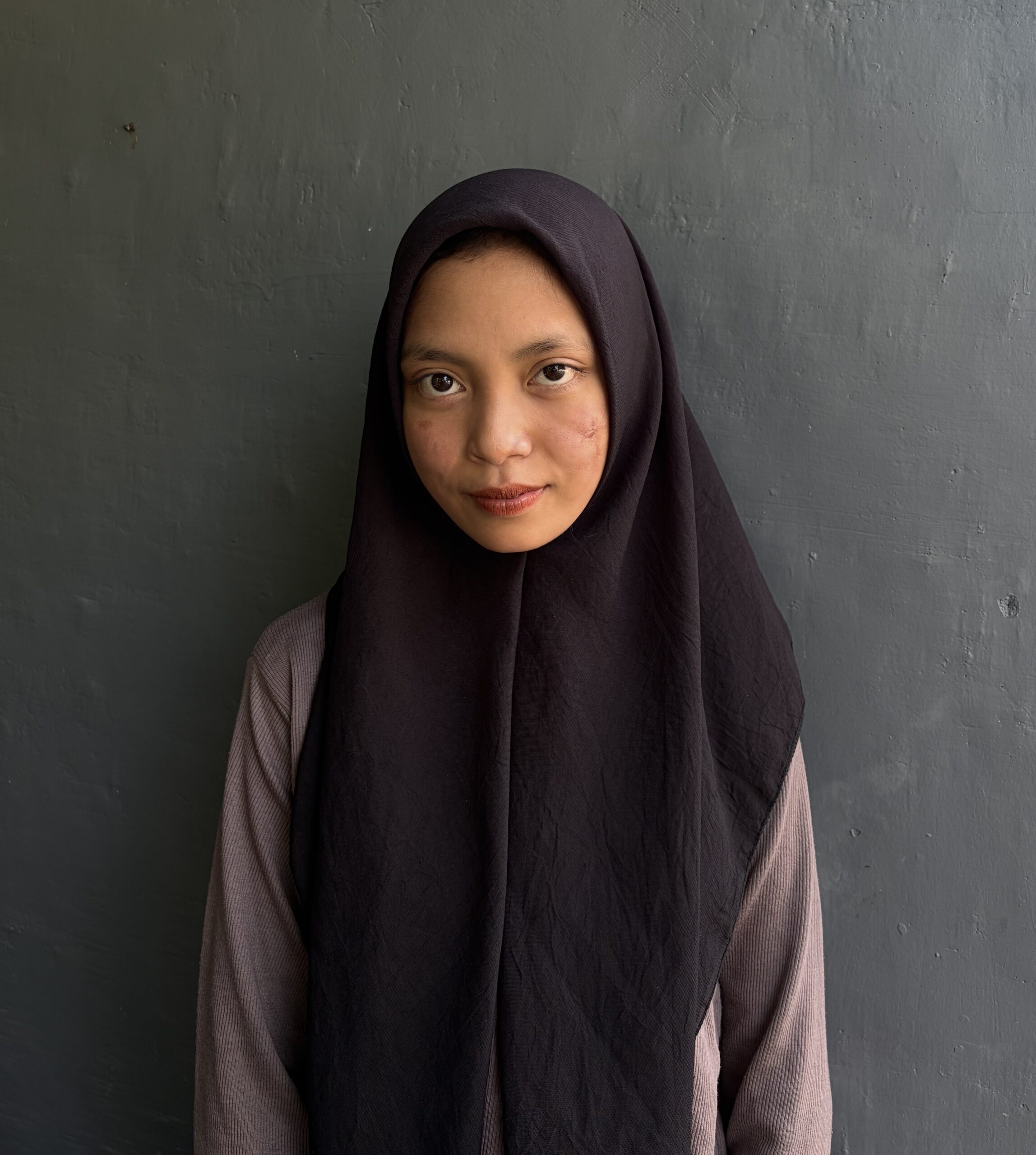
With both parents affected by leprosy, she brings deep understanding and commitment to our work. Although a newcomer to our team, she is already irreplaceable.
Finance Administration
Nur Inzani
A skilled and meticulous administrative assistant, eager to learn and growing stronger each day as she recovers from her long illness.
Junior Admin Staff
Arpiah
With aspirations to become an accountant one day, he serves a junior finance staff, eager to learn and always ready to support his peers.
Junior Finance Staff
Egic Putra Pratama
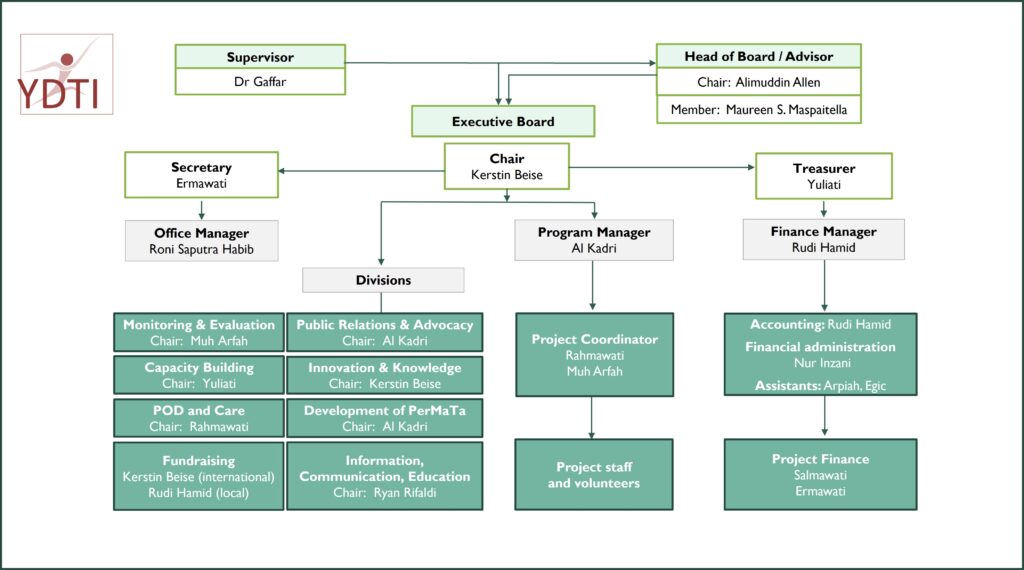
Organisational structure
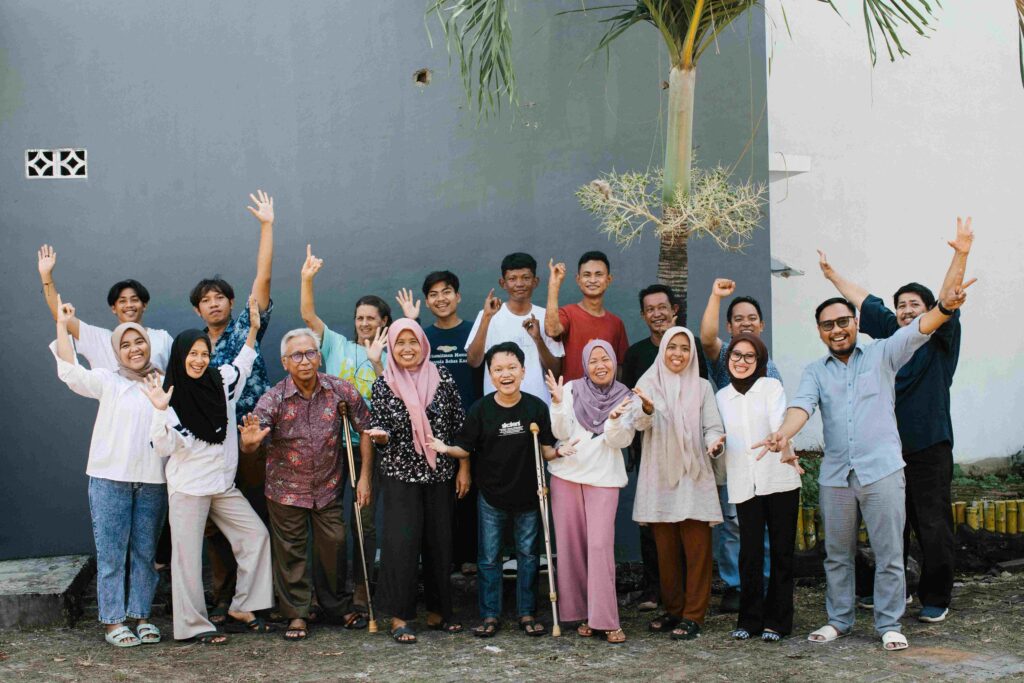
We are a small yet passionate organization, driven by a team of young and energetic persons — all with personal experience of leprosy. This lived reality shapes everything we do, guiding our approach and deepening our commitment to lasting change.
Our board and team combine expertise in disability, public health, and leprosy. Al Kadri and Yuliati stand among Indonesia’s foremost activists against leprosy stigma and discrimination, while Kerstin Beise contributes decades of experience in disability advocacy, leprosy work, and project management.
We take pride in our dedicated team of young women and men affected by leprosy, who bring both expertise and compassion to help others overcome stigma and rebuild their lives.
Notably, half of our team are women, and more than 3/4 are people affected by leprosy—making inclusion a lived reality within our organization.
Our Leprosy Work
What We Do
We support people affected by leprosy and their organizations, working to ensure non-discrimination and equal opportunities—especially in the areas of health, rehabilitation, social protection, and livelihood.
Our work is carried out in close partnership with PerMaTa South Sulawesi, a Disabled People’s Organization (DPO) led by people affected by leprosy. YDTI provides support for management, fundraising, advocacy, and project implementation.
Our activities are led by young people affected by leprosy. We believe in the power of lived experience, and we are committed to building leadership and capacity so that they can stand up for their rights and shape the future of their communities. We place a strong focus on young women, who often face multiple layers of stigma and discrimination, and support them in becoming empowered agents of change.
Our approach is rooted in intersectionality—we recognize that many forms of discrimination are connected. That’s why we work for the rights and justice of all marginalized groups, not only those affected by leprosy.
Our aim is to reach people affected by leprosy in South Sulawesi and beyond, and support them in their empowerment and with their psycho-social, medical and economic needs. We strive to involve young men and especially women affected by leprosy in our activities, who then can continue helping others as agents of change in their communities.