Our Main Current Project –
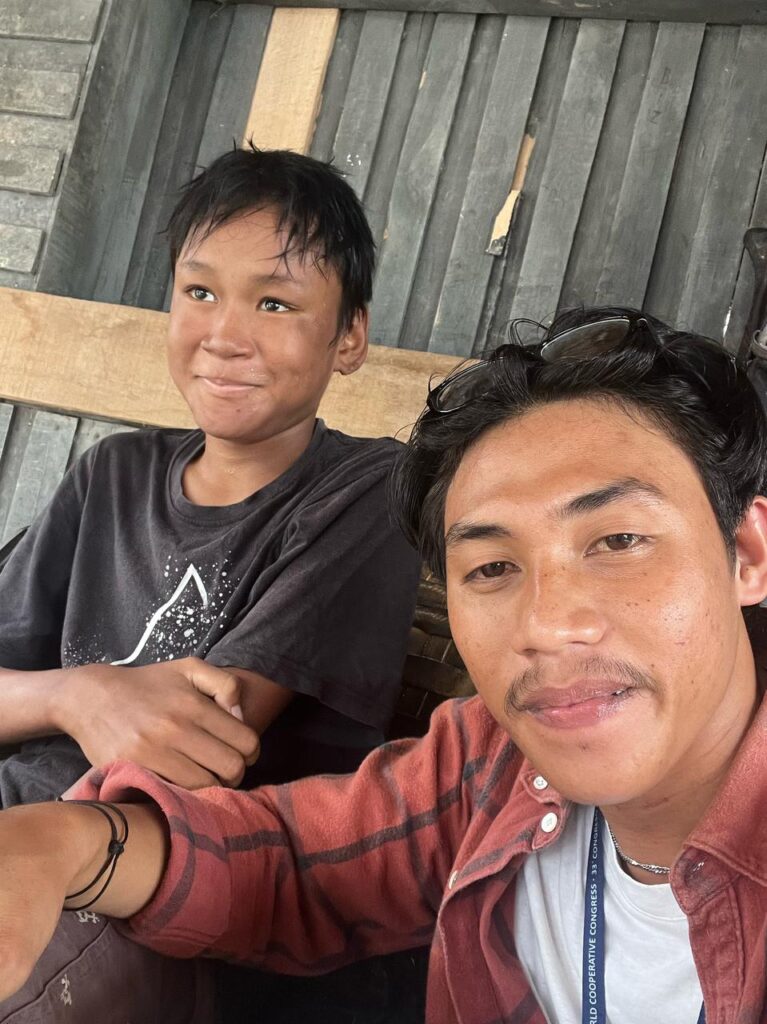
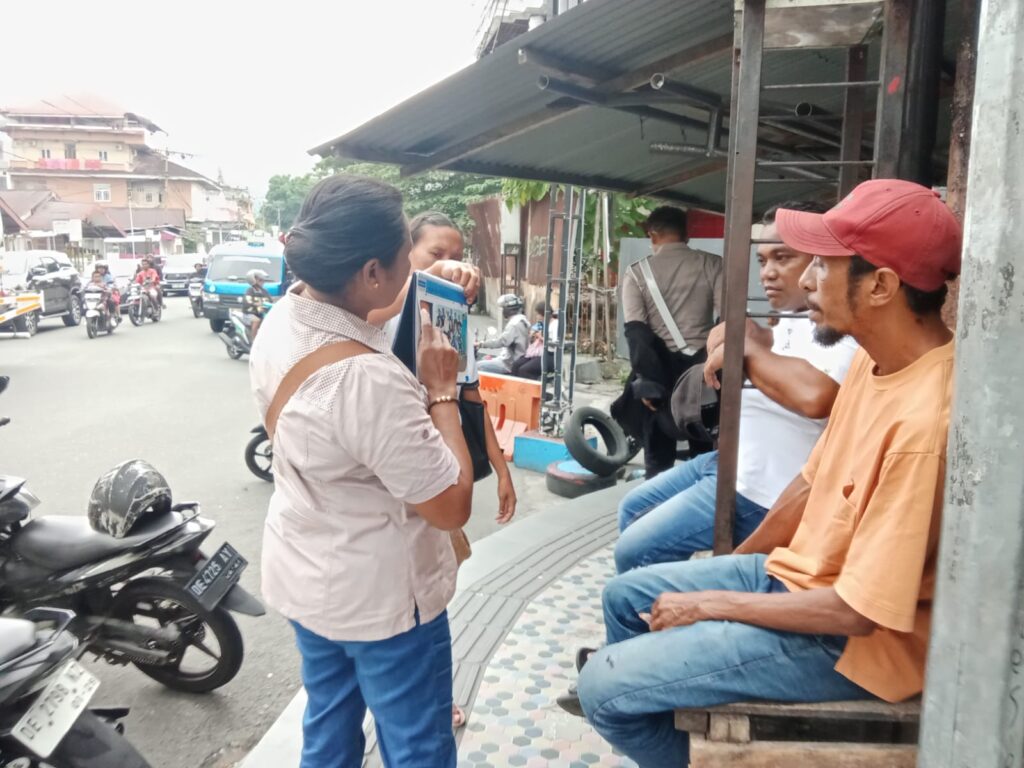
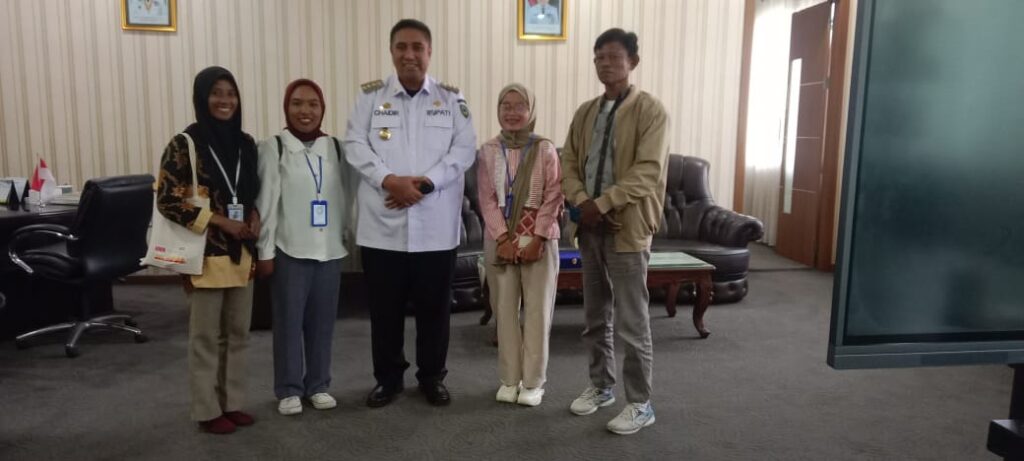
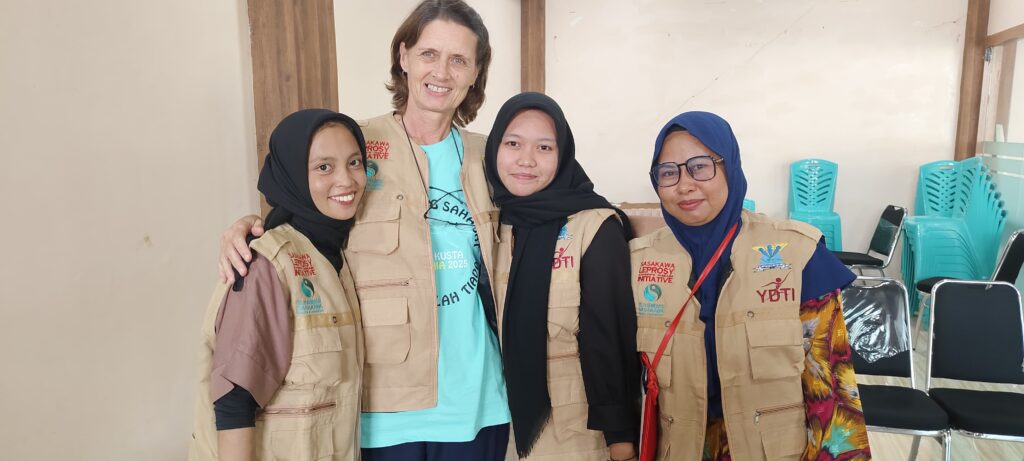
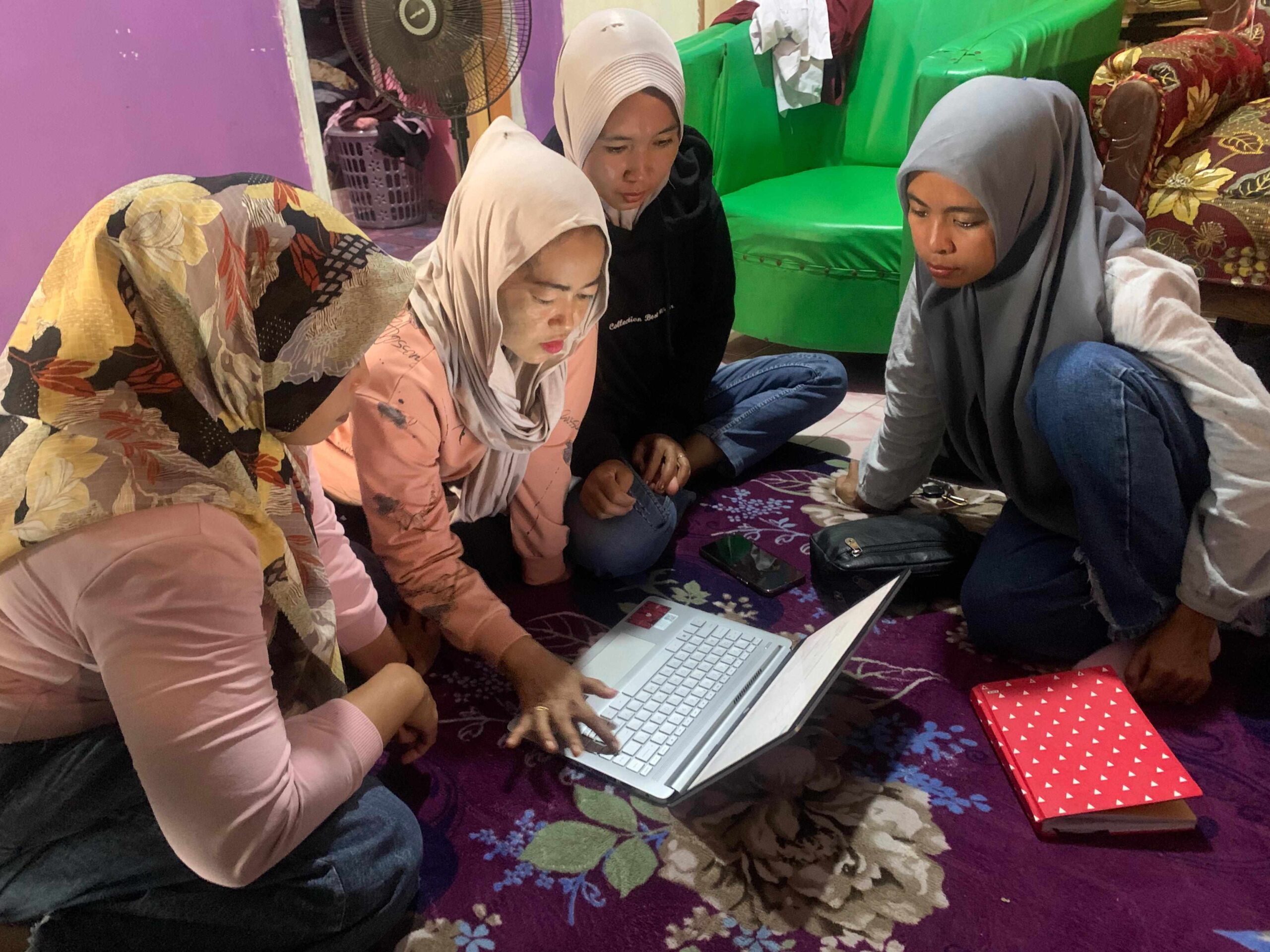
Our current focus is once again on young people affected by leprosy, supporting their empowerment journey through a variety of impactful activities. These include engaging in peer support, building PerMaTa teams at the district level, collaborating with local health services and leprosy programs, connecting with key stakeholders, and raising awareness about leprosy in the wider community.
We follow a structured four-phase approach for developing district-level groups:
Phase A – Initial 6 Months: Introduction and Training
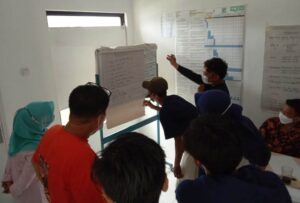
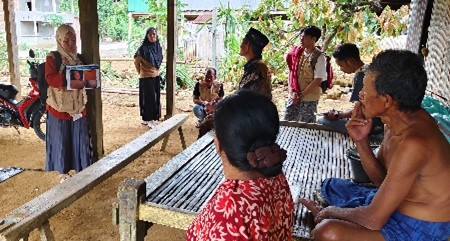
We begin by introducing the project in the district, conducting data collection, making initial home visits, and training young people affected by leprosy.
Phase B – Next 6 Months: Practical Field Learning
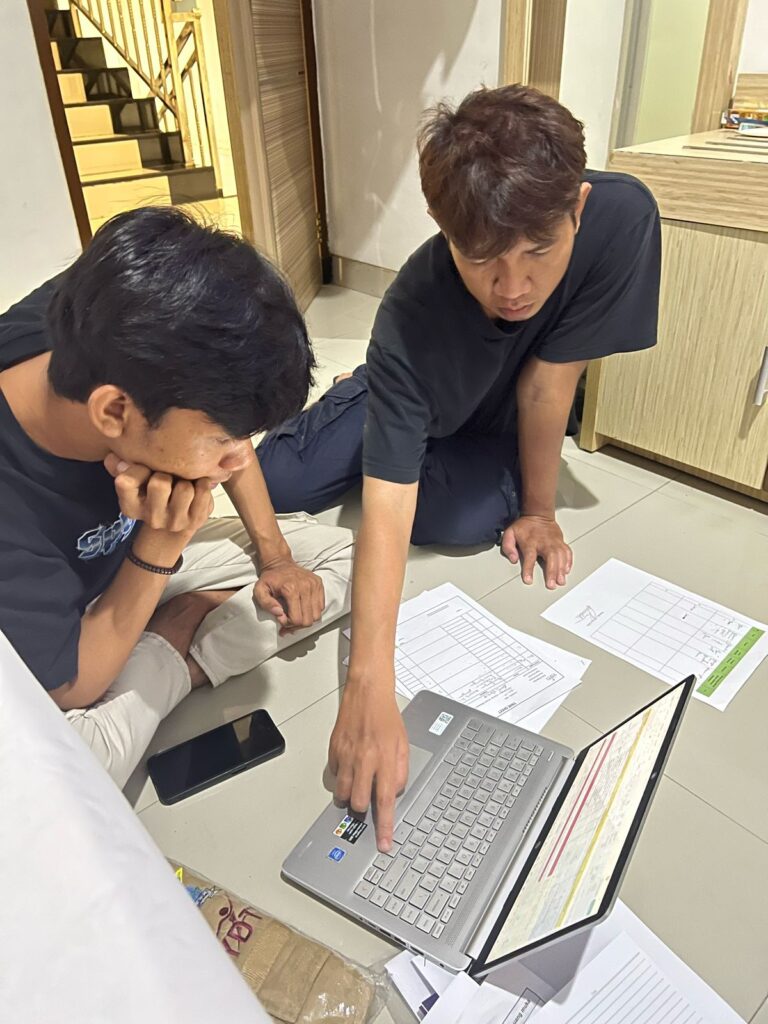
During this phase, our central teams work closely with the new district groups, guiding and supporting them as they begin their activities in the field.
Phase C – Final 12 Months: Independent Application
District teams start applying their knowledge independently. While they still receive varying levels of support, the focus is on building their confidence and autonomy.
Phase D – Post-Project Support
Our goal is for each group to become capable and self-reliant by the end of the project period. Even without continuous funding, they can remain active as local contact points for people affected by leprosy and collaborate with health and social services. Ideally, they will begin to fundraise locally to sustain selected activities, such as educational outreach or peer support.
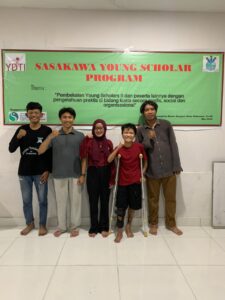
This two-year initiative builds upon our previous projects supported by Misereor and the Sasakawa Health Foundation (SHF) and is envisioned to lead into future continuation projects. This is the first time we are supported by two different donor organizations in a single project, which enables us to work more efficiently and reach even more communities across Indonesia.